Wallpaper Installation in South Florida: Cost, Process & What Homeowners Need to Know
Wallpaper has become one of the most effective ways to transform an interior without changing the architecture of a home. From subtle textured wallcoverings and natural-inspired finishes to dramatic geometric patterns, metallic designs, murals, and luxury designer wallpaper, the right material can add depth, personality, and sophistication to almost any room.
However, selecting beautiful wallpaper is only part of creating a successful finished space. Professional installation plays an equally important role. Precise measurements, proper wall preparation, pattern alignment, adhesive selection, seam placement, and careful finishing can determine whether wallpaper looks seamless and sophisticated or visibly uneven.
For homeowners considering wallpaper installation in South Florida, there are also regional conditions to consider. Heat, humidity, air conditioning, wall conditions, natural light, and the type of material being installed can all influence the installation process.
Wallpaper installation costs in South Florida vary according to the size and complexity of the project, the condition of the walls, the wallpaper material, pattern requirements, ceiling height, removal of existing wallpaper, and other factors. A simple accent wall using a straightforward material may require considerably less labor than an entire room covered with a delicate designer wallcovering or a geometric pattern requiring extremely precise alignment.
This guide explains what South Florida homeowners should know before installing wallpaper, including typical cost factors, the professional installation process, wall preparation, material selection, common installation challenges, and why hiring an experienced wallpaper installer can make a significant difference in the finished result.
How Much Does Wallpaper Installation Cost in South Florida?
One of the most common questions homeowners ask is how much professional wallpaper installation costs in South Florida. There is no single price that applies to every project because wallpaper installation is highly dependent on the material, wall dimensions, surface condition, pattern complexity, and amount of preparation required.
Professional wallpaper installers may price projects according to the size and complexity of the installation, while some projects may be evaluated by wall area, number of rolls, individual walls, or overall scope.
A relatively straightforward accent wall with smooth, properly prepared surfaces will generally require less labor than a room with multiple doors, windows, corners, architectural details, high ceilings, or challenging wall conditions.
Luxury wallpaper can also require significantly more precision. Certain materials may be delicate, expensive, textured, metallic, natural, or difficult to handle. When the wallpaper itself represents a substantial investment, experienced installation becomes especially important because mistakes can lead to damaged material and additional replacement costs.
For these reasons, homeowners should treat online wallpaper installation price ranges only as preliminary budgeting references. An accurate quote should be based on the specific walls, wallpaper, and installation conditions involved in the project.
What Factors Affect Wallpaper Installation Cost?
Wall size is one of the most obvious factors affecting wallpaper installation cost. Larger spaces require more material and more installation time, but square footage alone does not determine the final price.
The number of corners, windows, doors, electrical outlets, switches, built-in features, niches, and architectural details can increase the amount of cutting and precision required.
Ceiling height also matters. Installing wallpaper on standard-height walls is generally more straightforward than working in double-height spaces, staircases, tall entryways, or rooms requiring specialized access equipment.
Wall condition can have an even greater impact. Wallpaper performs best when installed over an appropriately prepared surface. Cracks, holes, peeling paint, significant texture, previous adhesive, moisture damage, and other imperfections may need to be addressed before installation begins.
Pattern complexity is another important consideration. Wallpaper with a simple texture or minimal repeat may be easier to position than a large geometric design where even a small alignment error becomes immediately visible.
Material type also influences labor requirements. Vinyl, non-woven wallpaper, grasscloth, textile wallcoverings, foils, murals, and specialty designer materials can require different techniques.
Finally, removing existing wallpaper can add time and preparation costs, particularly when the previous material or adhesive is difficult to remove.
Why Wallpaper Prices Should Not Be Compared by Square Foot Alone
Homeowners sometimes attempt to compare wallpaper installation companies using only a price per square foot. While this can provide a basic reference, it does not always reflect the actual complexity of the work.
Imagine two walls with exactly the same dimensions. One is perfectly smooth and will receive a relatively simple non-woven wallpaper. The other has damaged areas requiring preparation and will receive an expensive metallic geometric wallpaper with a precise repeating pattern.
Although the square footage is identical, the installation requirements are completely different.
Professional wallpaper installation is detailed craftsmanship. The installer needs to evaluate where the first panel should begin, where seams will fall, how patterns will align around corners and architectural features, and how the material responds during installation.
For luxury wallpaper installation in South Florida, the quality of this planning can be more important than finding the lowest labor price.
The Professional Wallpaper Installation Process
A professional wallpaper installation begins before the first panel is placed on the wall.
The process should start with evaluating the space, taking accurate measurements, reviewing the wallpaper specifications, and examining the condition of the surfaces.
The installer needs to understand the material being used because different wallcoverings can require different adhesives, preparation methods, and installation techniques.
Planning is particularly important when wallpaper has a visible pattern. The position of the first panel can affect the appearance of the entire room. Installers may need to determine where important design elements should appear and where seams will be least noticeable.
Once the layout has been planned and the walls are properly prepared, installation can begin.
Step 1: Measuring and Calculating Wallpaper Requirements
Accurate measurement is essential when ordering wallpaper.
Homeowners should not simply calculate the total square footage of the walls and purchase the same square footage of material. Wallpaper usually requires additional material because of trimming, pattern matching, repeat dimensions, installation layout, and potential waste.
Pattern repeat is particularly important.
If a wallpaper contains a repeating geometric, floral, or artistic design, each strip may need to begin at a specific point so the pattern aligns with the adjacent panel. This can create additional material waste.
Large pattern repeats generally require more careful calculations than simple textures or random-match designs.
Windows and doors also need to be considered appropriately. Although they reduce the total surface being covered, wallpaper still needs to be cut and positioned around these openings.
Ordering too little wallpaper can create significant problems, especially with designer materials. Additional rolls purchased later may come from a different production batch, potentially creating subtle differences in color or finish.
Professional measurement before ordering can help homeowners purchase an appropriate amount of material and reduce the risk of delays during installation.
Step 2: Preparing the Walls
Wall preparation is one of the most important parts of professional wallpaper installation.
Wallpaper does not automatically conceal wall imperfections. In many cases, it can make them more noticeable.
Holes, cracks, uneven areas, damaged drywall, peeling paint, previous wallpaper adhesive, and excessive texture may need to be corrected before installation.
The wall should generally be clean, stable, smooth, and properly prepared for the specific wallcovering being installed.
Existing wallpaper may need to be removed rather than simply covered. The underlying surface should then be inspected for damage or remaining adhesive.
Priming may also be recommended depending on the wall condition, paint, wallpaper material, and adhesive system. Proper preparation can improve adhesion while helping create a more consistent installation surface.
This stage should not be rushed. Installing premium wallpaper over an improperly prepared wall can compromise the entire project.
Step 3: Planning Pattern Placement and Seams
Pattern placement separates basic installation from highly detailed wallpaper craftsmanship.
Before installation begins, an experienced wallpaper installer considers how the design will interact with the architecture.
A large pattern may need to be centered on a feature wall. A geometric design must remain visually aligned across adjacent panels. Murals may have predetermined panel positions that need to correspond precisely with the dimensions of the wall.
Corners also require careful planning because walls are not always perfectly straight.
Seam placement should be considered in relation to doors, windows, focal points, and lighting. The objective is to create a finished surface where the wallpaper appears intentional and visually balanced.
With certain luxury wallcoverings, even slight variations can become noticeable under natural or artificial light. This makes accurate planning particularly important in South Florida homes with large windows and abundant daylight.
Step 4: Wallpaper Installation and Finishing
Once preparation and layout are complete, the wallpaper can be installed according to the requirements of the material and manufacturer.
Adhesive may be applied differently depending on the wallpaper type. Some products require adhesive on the wall, while others may involve different application methods.
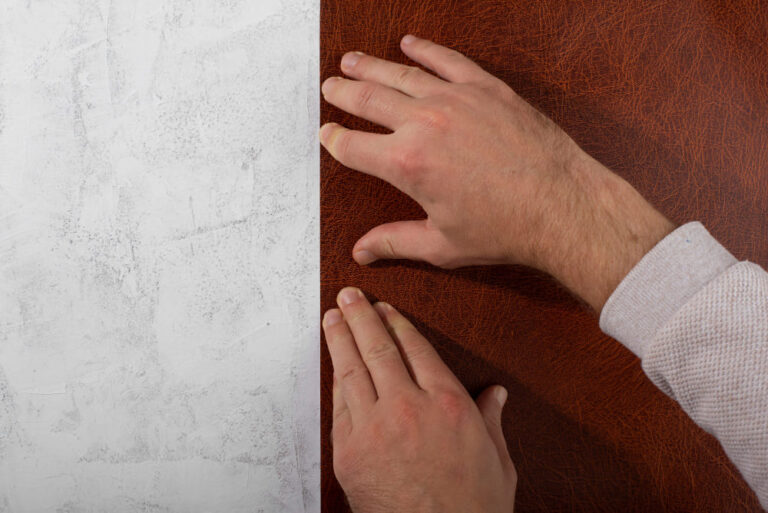
Each panel must be positioned carefully, aligned with adjacent panels, and finished without unnecessary stretching or damage.
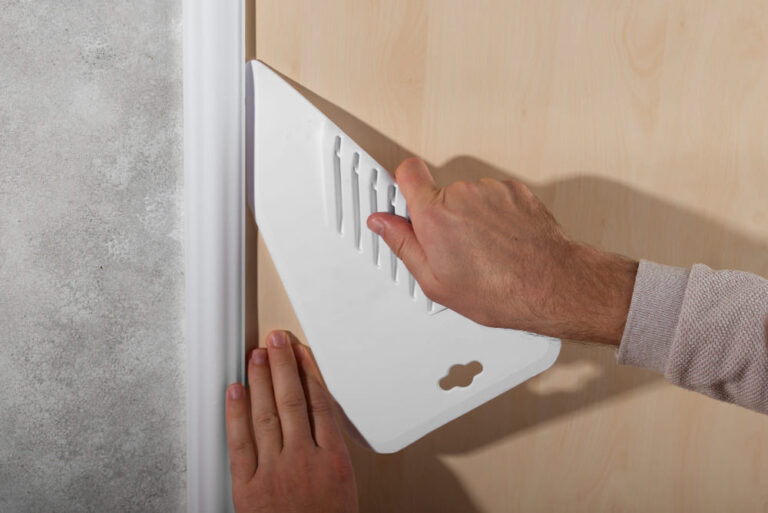
Excess material is trimmed around ceilings, baseboards, windows, doors, outlets, and other architectural elements.
Seams require careful attention. The objective is to create clean transitions between panels while maintaining pattern alignment.
After installation, the wallpaper should be inspected for consistency, alignment, edges, seams, and overall appearance.
A professional installation should feel integrated with the room rather than appearing like individual strips applied to a wall.
Why Wall Preparation Matters in South Florida
South Florida’s climate makes proper surface evaluation particularly important.
High humidity can affect homes in ways that may not be immediately visible. Before wallpaper is installed, any signs of active moisture problems should be investigated and addressed.
Wallpaper should not be used as a cosmetic solution for a wall with an unresolved leak, persistent moisture issue, or other underlying problem.
Air-conditioned interiors create more controlled conditions, but exterior walls and certain areas of a property may still require additional attention depending on the building.
The condition of the paint underneath the wallpaper also matters. If the existing coating is unstable, peeling, or poorly bonded to the wall, installing wallpaper over it may not create a reliable foundation.
Can Wallpaper Be Installed in Humid Rooms?
Wallpaper can be used successfully in many South Florida interiors, but the suitability of a particular wallcovering depends on the room and its conditions.
Powder rooms, for example, are popular spaces for dramatic wallpaper because they allow homeowners to introduce pattern and color in a smaller area.
Full bathrooms require more careful consideration. Ventilation, direct water exposure, surface preparation, and wallpaper material all become important.
Wallpaper should not generally be treated as a substitute for surfaces specifically designed for areas receiving direct and repeated water exposure.
Kitchens can also accommodate wallpaper in appropriate locations, particularly when the material and installation are selected according to the environment.
The best approach is to evaluate the specific room rather than assuming every wallpaper performs equally in every environment.
What Happens If the Wall Is Not Properly Prepared?
Poor wall preparation can lead to a variety of visible and functional problems.
Imperfections beneath the wallpaper may remain visible. Old adhesive can interfere with the new installation. Unstable paint can separate from the wall. Rough surfaces can make seams and edges more difficult to finish correctly.
The consequences can be especially frustrating with expensive designer wallpaper because correcting the underlying problem may require removing material that cannot be reused.
Professional preparation protects both the installation and the homeowner’s investment in the wallpaper itself.
Choosing the Right Wallpaper for Your South Florida Home
Wallpaper is available in an enormous range of materials, patterns, textures, and finishes.
The right choice should reflect both the design of the home and the practical requirements of the room.
South Florida interiors often incorporate abundant natural light, open layouts, tropical influences, contemporary architecture, coastal elements, and strong connections between indoor and outdoor spaces.
Wallpaper can complement these characteristics without relying on obvious coastal themes.
Subtle linen-inspired textures can create depth while maintaining a calm atmosphere. Large botanical patterns can create a stronger visual statement. Geometric designs can complement contemporary architecture, while metallic and foil wallcoverings can interact dramatically with natural and artificial light.
Luxury Wallpaper and Specialty Wallcoverings
Luxury wallpaper can include handcrafted materials, textiles, natural fibers, grasscloth, metallic finishes, foils, embossed surfaces, murals, and designer collections.
These materials can create visual effects that are difficult to reproduce with paint.
However, specialty wallcoverings may also require specialized installation knowledge.
Natural materials can contain variations that are part of their intended character. Metallic and reflective surfaces may make seams or wall imperfections more visible. Delicate materials can require careful handling to prevent creasing, marking, or damage.
Geometric wallpaper demands accurate pattern alignment because small errors can become increasingly noticeable as installation progresses across the wall.
For homeowners investing in premium wallpaper, choosing an installer based solely on the lowest quote can create unnecessary risk. The installation quality directly influences how the material ultimately looks.
Wallpaper for Accent Walls vs. Entire Rooms
An accent wall can be an effective way to introduce wallpaper without covering an entire room.
Bedrooms may use wallpaper behind the headboard to establish a focal point. Dining rooms can use a feature wall to introduce texture or pattern. Living spaces may use wallpaper to highlight an architectural element.
However, wallpapering an entire room can create a more immersive design.
Textured and subtle patterns are particularly effective for full-room installations because they can add depth without overwhelming the space.
Powder rooms are another popular location for complete wallpaper coverage. Because these rooms are relatively small, homeowners can often use more dramatic patterns that might feel excessive in a larger living space.
The decision should depend on the architecture, furniture, lighting, and desired atmosphere rather than a universal design rule.
Common Wallpaper Installation Mistakes
Wallpaper installation can appear straightforward until patterns, corners, outlets, irregular walls, or specialty materials are involved.
One common mistake is ordering the exact calculated square footage without accounting for pattern repeat and waste.
Another is skipping wall preparation because the wallpaper appears thick enough to hide imperfections.
Beginning installation without planning the pattern can also create an unbalanced finished design.
Incorrect adhesive selection may create additional problems, particularly with specialty wallcoverings.
Attempting to aggressively reposition or stretch certain materials can damage the wallpaper or affect pattern alignment.
Poorly planned seams are another issue. Natural and artificial light can make seams more noticeable depending on their placement and the characteristics of the wallcovering.
DIY Wallpaper Installation vs. Professional Installation
DIY wallpaper installation can be appropriate for some homeowners, particularly when working with a small, straightforward wall and a forgiving material.
However, the risk increases as the cost and complexity of the wallpaper increase.
A large geometric pattern, luxury wallcovering, mural, foil, specialty texture, high wall, staircase, or room containing multiple corners and architectural features can require substantially more expertise.
Homeowners should also consider the cost of mistakes. If an inexpensive wallpaper panel is damaged, replacing it may be relatively simple. Damaging multiple panels of a premium designer wallcovering can be considerably more expensive than professional installation.
Professional wallpaper installers bring more than the ability to apply material to a wall. They understand layout, preparation, pattern matching, cutting, seam placement, corners, and finishing.
Why Experience Matters With Geometric and Patterned Wallpaper
Patterned wallpaper creates some of the most dramatic interiors, but it also makes installation errors more visible.
Geometric patterns are particularly unforgiving. Lines must transition accurately from one panel to another, and small alignment problems can become increasingly noticeable across a large wall.
Complex patterns can also become challenging around windows, doors, corners, and other architectural interruptions.
An experienced installer plans these transitions before cutting the material.
This is particularly important when working with premium wallpaper because material waste can be costly. Careful planning helps balance visual quality with efficient material use.
How Long Does Wallpaper Installation Take?
The timeline for wallpaper installation depends on the size and condition of the project.
A straightforward accent wall may require considerably less time than several rooms or an entire residence.
Wall preparation can also affect the schedule. If surfaces require repairs, smoothing, removal of old wallpaper, or additional preparation, this work needs to occur before the final wallcovering is installed.
High ceilings, complex patterns, specialty materials, and detailed architectural features can increase installation time.
Homeowners should avoid judging an installer based solely on who promises the fastest completion. Wallpaper installation is precision work, and rushing preparation or pattern alignment can negatively affect the final result.
Should You Prepare the Room Before the Installer Arrives?
Preparing the room can help make the installation process more efficient.
Furniture positioned directly against the walls may need to be moved to provide adequate working space. Decorative objects, artwork, and fragile items should generally be removed from the installation area.
Homeowners should also discuss wall conditions with the installer before the scheduled installation date.
If major repairs are required, they may need to be completed before the wallpaper appointment.
The wallpaper itself should be available and verified before installation begins. Depending on the project, checking quantities, roll information, and material condition in advance can help prevent delays.
How Soon Can You Use the Room After Installation?
In many cases, a room can return to normal use relatively quickly after wallpaper installation, but adhesive and environmental conditions may require time to stabilize.
Homeowners should follow the recommendations provided for the specific wallpaper and adhesive used.
It is generally advisable to avoid unnecessarily disturbing newly installed wallpaper while it is settling.
Indoor climate conditions should also remain reasonably stable. Excessive moisture or unusual temperature changes immediately after installation are not ideal.
How to Choose a Wallpaper Installer in South Florida
Choosing the right wallpaper installer is especially important when working with expensive or technically demanding materials.
Homeowners should look for professionals with specific wallpaper installation experience rather than assuming that any general contractor, painter, or handyman has the same skill set.
Ask about experience with the particular type of wallpaper being considered. Installing a basic wallcovering is different from working with grasscloth, geometric patterns, murals, foils, textiles, and luxury designer materials.
A professional should also evaluate wall condition rather than immediately beginning installation.
Questions to Ask a Professional Wallpaper Installer
Before hiring a wallpaper installer in South Florida, homeowners should ask how wall preparation is handled and whether the existing surface is appropriate for the selected material.
Ask whether the installer has experience with pattern matching and specialty wallcoverings.
Homeowners should also clarify whether removal of existing wallpaper is included, whether wall repairs are required beforehand, and what needs to be completed before installation day.
It is helpful to provide information about the wallpaper manufacturer and collection whenever possible. Technical specifications can help the installer determine appropriate preparation and installation methods.
For larger projects, discussing the entire scope in advance can help coordinate installation with painting, custom window treatments, furniture delivery, electrical work, and other interior improvements.
Why a Turnkey Approach Can Simplify the Project
Wallpaper projects often involve several decisions before installation begins.
Homeowners need to select the appropriate design, determine quantities, evaluate wall conditions, coordinate materials, prepare the space, and arrange professional installation.
A turnkey approach connects these steps instead of treating them as unrelated tasks.
This can be particularly valuable for homeowners investing in luxury interiors because design decisions and technical installation requirements can be considered together.
Dream Wall Studio was created around this personalized approach. With nearly seven years of experience in the luxury wallpaper and window treatment industry and a handpicked circle of installation specialists with more than eleven years of experience, the goal is to provide South Florida homeowners with a seamless experience from material selection through professional installation.
Professional Wallpaper Installation in South Florida
Wallpaper can transform an ordinary wall into one of the defining elements of a home. But the quality of the final result depends on much more than choosing a beautiful pattern.
Wall preparation, accurate measurements, material calculations, pattern placement, adhesive selection, seam alignment, cutting, and finishing all contribute to the completed installation.
For South Florida homeowners, local environmental conditions add another reason to work with professionals who understand how wallcoverings should be evaluated and installed.
Wallpaper installation costs will vary according to the size of the project, wall condition, ceiling height, wallpaper material, pattern complexity, removal requirements, and installation difficulty. Because of these variables, a personalized estimate is more meaningful than relying on a generic price per square foot.
Dream Wall Studio provides professional wallpaper installation in South Florida with an emphasis on meticulous craftsmanship, personalized service, and a stress-free turnkey experience. From sophisticated textures and fine wallcoverings to complex geometric patterns, metallic finishes, and statement designs, every project is approached with attention to both the material and the architecture surrounding it.
If you are planning a wallpaper project in South Florida, professional guidance from the beginning can help you select the right wallcovering, calculate the appropriate amount of material, prepare the surfaces correctly, and achieve the precise, polished result that luxury wallpaper deserves.