Custom Drapery in South Florida: Cost, Fabrics, Styles & Installation Guide
Custom drapery is one of the most effective ways to transform the appearance, comfort, and functionality of a home. From elegant floor-to-ceiling curtains to lightweight linen sheers and sophisticated layered window treatments, professionally designed drapery adds texture, softness, privacy, and architectural character to interior spaces.
For homeowners searching for custom drapery in South Florida, choosing the right window treatments involves more than selecting a beautiful fabric. The region’s abundant sunlight, warm climate, coastal humidity, expansive windows, and indoor-outdoor lifestyle create unique considerations that influence fabric selection, lining, hardware, and installation.
Unlike ready-made curtains, custom drapery is designed and fabricated specifically for the dimensions and architectural characteristics of each window. Homeowners can personalize fabric, color, texture, fullness, pleat style, lining, hardware, and operating systems to achieve a result that complements the overall interior design.
Whether you are decorating a waterfront residence in Fort Lauderdale, updating a luxury home in Boca Raton, or selecting window treatments for a contemporary property in Pompano Beach, custom curtains and drapery can provide an ideal balance of sophisticated design and everyday functionality.
However, understanding the cost of custom drapery, available fabric options, popular styles, and professional installation requirements is essential before beginning a project.
This comprehensive guide explains everything South Florida homeowners should know about custom drapery, including pricing considerations, luxury fabrics, popular curtain styles, motorized systems, light control, privacy, professional measurements, and how to choose the right custom drapery company.
What Is Custom Drapery and Why Is It Popular in South Florida?
Custom drapery refers to fabric window treatments that are designed, measured, and fabricated specifically for an individual window or architectural opening.
Unlike standard curtains purchased from retail stores, custom drapes are not limited to predetermined sizes, fabrics, or hardware configurations. Instead, every element can be selected according to the home’s dimensions, design preferences, and functional requirements.
This level of customization is particularly valuable in South Florida, where many homes feature oversized windows, high ceilings, sliding glass doors, expansive waterfront views, and open-concept living areas.
Custom drapery allows homeowners to create treatments that fit these architectural features while providing control over sunlight and privacy.
Benefits of Custom Drapery for South Florida Homes
One of the primary advantages of custom drapery is its ability to combine functionality with interior design.
Fabric panels can soften the appearance of large windows, introduce texture into minimalist spaces, and visually enhance the height of a room.
Custom drapes can also help manage sunlight. Depending on the fabric and lining, they may diffuse daylight, reduce glare, provide privacy, or create a darker environment.
In South Florida, where strong sunlight can affect indoor comfort and contribute to fading of furniture, flooring, wallpaper, and other interior finishes, carefully selected window treatments can be an important part of the overall design strategy.
Another benefit is flexibility. Custom drapery can be combined with roller shades, solar shades, blackout treatments, or motorized systems to create different levels of coverage throughout the day.
Custom Drapery vs. Ready-Made Curtains
The main difference between custom drapery and ready-made curtains is the level of personalization.
Ready-made curtains are manufactured in standard dimensions and limited configurations. Although they may be appropriate for temporary or budget-focused projects, they often require compromises in length, width, fullness, and fabric selection.
Custom drapery is fabricated according to precise measurements.
The designer can determine where the track or rod should be installed, how much fabric is required, how the panels should hang, and how the treatment should interact with surrounding architecture.
This becomes especially important for floor-to-ceiling windows, wide sliding glass doors, and rooms with high ceilings.
For homeowners investing in luxury interiors, custom drapery provides greater control over the finished appearance and helps create a more cohesive design.
How Much Does Custom Drapery Cost in South Florida?
The cost of custom drapery in South Florida varies significantly depending on the size of the windows, fabric selection, fullness, lining, pleat style, hardware, fabrication, motorization, and installation complexity.
As a broad preliminary budgeting reference, relatively straightforward custom drapery projects may cost several hundred dollars per window, while premium floor-to-ceiling installations can exceed $1,000 or several thousand dollars per opening.
These figures are illustrative planning ranges, not verified local market averages or Dream Wall Studio quotes. Large luxury projects involving designer fabrics, extensive yardage, specialized hardware, and motorized tracks may cost considerably more.
Because custom drapery is fabricated for the specific property, an accurate estimate requires professional measurements and material selection.
Factors That Affect Custom Drapery Prices
Fabric is one of the most significant components of the total investment.
Custom drapery typically requires more fabric than the visible width of the window because additional material is needed to create folds and fullness.
For example, a wide sliding glass door may require multiple fabric widths to achieve the desired appearance. Taller windows also require longer panels, increasing the amount of material needed.
Fabric quality influences pricing as well. Premium linen, designer textiles, embroidered fabrics, specialty weaves, and luxury collections can cost substantially more than simpler materials.
Lining adds another variable. Privacy lining, room-darkening lining, and blackout lining may affect both material and fabrication costs.
Hardware also matters. Decorative rods, ceiling-mounted tracks, brackets, carriers, and motorized systems have different price points.
Installation complexity can increase costs, particularly for high ceilings, oversized panels, difficult access, or specialized architectural details.
Why Custom Drapery Is an Investment in Interior Design
Custom drapery should be evaluated as part of the home’s overall interior design rather than simply as a product used to cover windows.
Well-designed drapery can visually increase ceiling height, balance architectural proportions, soften natural light, and create a more polished environment.
The quality of the finished result depends on several connected elements, including fabric selection, precise measurements, professional fabrication, hardware, and installation.
A beautiful fabric may not achieve the desired appearance if the panels are too short, lack adequate fullness, or are installed at the wrong height.
Professional design and installation help ensure that the investment produces a cohesive and functional result.
Best Fabrics for Custom Drapery in South Florida
Fabric selection is one of the most important decisions when designing custom curtains.
The material determines how the drapery hangs, how much light enters the room, how much privacy it provides, and how it complements the surrounding interior.
In South Florida, homeowners should also consider strong sunlight, humidity, air conditioning, and the relationship between indoor spaces and outdoor views.
Linen and Linen-Inspired Drapery
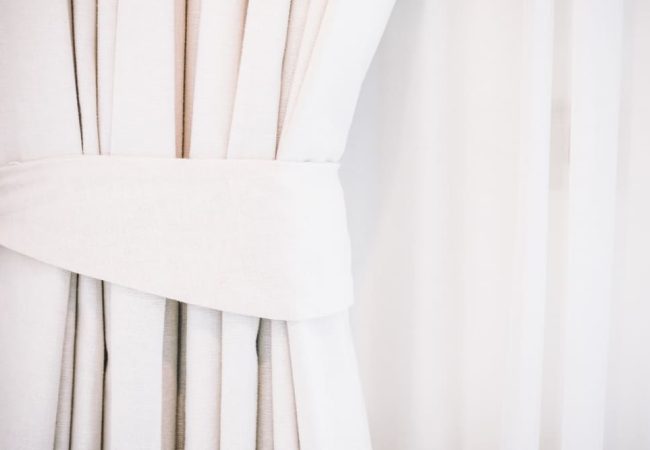
Linen is a popular choice for sophisticated interiors because of its natural texture and relaxed appearance.
Fine linen drapery can complement contemporary, coastal, transitional, and traditional homes without making the space feel overly formal.
Linen-inspired fabrics may offer similar visual characteristics with different maintenance and performance properties.
However, natural linen can wrinkle and respond to changes in humidity. Some fabrics may also experience dimensional changes depending on their composition and care requirements.
Homeowners should review the characteristics of the selected textile before deciding whether it is appropriate for the room.
For bright living areas and large windows, linen and linen-inspired fabrics can create an elegant connection between natural light and interior design.
Sheer Fabrics for Soft Natural Light
Sheer drapery is particularly well suited to South Florida homes because it allows daylight to enter while softening its intensity.
Fine sheers can create a light, airy atmosphere that complements large windows, sliding glass doors, and waterfront views.
Unlike heavier curtains, sheers do not visually dominate the room. Instead, they introduce subtle texture and movement.
They can also provide a degree of daytime privacy, although they should not be relied upon for complete nighttime privacy.
For greater flexibility, custom sheers can be layered with opaque drapery or shades.
Velvet, Textured and Luxury Designer Fabrics
Homeowners seeking a more dramatic appearance may consider velvet, textured fabrics, jacquards, embroidered textiles, or specialty designer collections.
These materials can add richness and visual depth, particularly in formal dining rooms, primary bedrooms, and sophisticated living spaces.
However, heavier fabrics may require stronger hardware and additional consideration during installation.
The selected material should also complement the room’s scale and natural light.
In a bright contemporary home, a heavily textured fabric may create a striking contrast. In a smaller room, a lighter textile may feel more appropriate.
Popular Custom Drapery Styles for South Florida Homes
Custom drapery is available in numerous styles, each creating a different visual effect.
The best choice depends on the architecture, fabric, desired level of formality, and how the treatment will be operated.
Ripple Fold Drapery
Ripple fold drapery is especially popular in modern and contemporary interiors.
This style creates consistent, flowing folds that move smoothly along a compatible track system.
The result is clean, balanced, and sophisticated.
Ripple fold drapery works particularly well for floor-to-ceiling installations, large sliding glass doors, and expansive windows.
It can be created using sheer fabrics or more substantial materials depending on the desired level of privacy and light control.
Because the folds are designed to maintain a consistent appearance, accurate fabrication and proper track selection are essential.
Pinch Pleat Drapery
Pinch pleat drapery provides a more tailored and traditional appearance.
Fabric is gathered and secured into structured pleats near the top of the panel, creating elegant folds that continue toward the floor.
Different pleat configurations can produce different levels of formality.
Pinch pleat curtains can work beautifully in transitional and traditional interiors, but they can also complement contemporary spaces when paired with understated fabrics and hardware.
This style is frequently selected for living rooms, dining rooms, and bedrooms where homeowners want a refined appearance.
Wave and Contemporary Drapery Styles
Contemporary drapery often emphasizes clean lines, consistent fabric movement, and discreet hardware.
Wave-style treatments can create soft, uniform folds that complement modern architecture.
Ceiling-mounted tracks may help produce a more integrated appearance, especially when the drapery extends from near the ceiling to the floor.
The appropriate style depends on the selected fabric and track system.
Professional guidance helps ensure that the treatment is designed as a complete system rather than selecting fabric and hardware independently.
Floor-to-Ceiling Custom Drapery for Luxury Homes
Floor-to-ceiling drapery is one of the most effective ways to create architectural impact.
By extending fabric vertically, homeowners can emphasize ceiling height and create a more dramatic appearance around large windows.
This approach is especially relevant in South Florida properties featuring tall ceilings and expansive glass openings.
How Floor-to-Ceiling Curtains Enhance Interior Design
Installing drapery near the ceiling can visually increase the perceived height of a room.
The continuous vertical lines create a more balanced relationship between windows, walls, and furniture.
This can make the space feel more sophisticated and complete.
Fabric selection influences the effect. Fine sheers can create an airy atmosphere, while textured or lined drapery can introduce greater visual weight.
The treatment should be proportioned according to the room rather than automatically extending every curtain to the maximum available height.
Why Precise Measurements Matter
Floor-to-ceiling drapery requires careful measurement.
Ceilings and floors are not always perfectly level, and small variations can become noticeable across long fabric panels.
The installer must determine the correct mounting height, track position, panel length, and desired clearance above the floor.
Fabric characteristics also matter because some textiles may relax or change slightly after hanging.
Professional planning helps reduce the risk of uneven hems, excessive fabric contact with the floor, or panels that appear too short.
Custom Drapery for Sliding Glass Doors and Large Windows
Large sliding glass doors are common throughout South Florida, particularly in homes designed around patios, pools, gardens, and waterfront views.
These openings require treatments that provide privacy and light control without interfering with everyday access.
Best Drapery for Sliding Glass Doors
Custom drapery can be an excellent solution for sliding glass doors because fabric panels can move horizontally along a track.
When open, the panels can stack to one side or divide toward both sides depending on the configuration.
Sheer drapery can soften sunlight while maintaining the open character of the room.
Lined or opaque drapery can provide stronger privacy when the doors are closed.
The design should consider door operation, available wall space, furniture placement, and the amount of room required for the fabric to stack.
Drapery for Oversized Windows
Oversized windows require careful planning because the weight and dimensions of the fabric can place additional demands on the hardware.
The appropriate track or rod must be selected according to the size and weight of the finished treatment.
In some cases, motorized tracks may provide greater convenience.
Large windows also make proportion especially important. Fabric fullness, pleat style, and mounting height should be designed to complement the architecture.
Motorized Custom Drapery in South Florida
Motorized drapery combines the elegance of traditional fabric treatments with the convenience of automated operation.
Instead of manually pulling panels across a track, homeowners can open or close compatible treatments using an electronic control system.
Motorization is particularly useful for large, heavy, or difficult-to-reach drapery installations.
Benefits of Motorized Drapery
Convenience is the primary advantage.
Large drapery panels can be difficult to operate manually, particularly when they cover wide sliding glass doors.
Motorized tracks allow the fabric to move without requiring the homeowner to pull the panels directly.
This can be especially useful in homes where treatments are opened and closed several times per day.
Motorization can also create a cleaner appearance by reducing the need for visible manual operating mechanisms.
Smart Home Integration
Depending on the selected motorized track and control system, drapery may be integrated with compatible home automation platforms.
Homeowners may be able to operate treatments using remote controls, wall switches, mobile applications, or scheduled routines.
Compatibility varies between manufacturers and systems.
For new construction and renovation projects, motorization should be considered early so that electrical requirements and track locations can be coordinated appropriately.
Custom Drapery for Privacy and Light Control
Custom drapery can provide different levels of privacy and light control depending on the selected fabric, lining, and installation.
The appropriate configuration depends on how the room is used and the amount of sunlight it receives.
Light-Filtering Drapery
Light-filtering fabrics allow natural daylight to enter while reducing its intensity.
This can create a softer atmosphere in living rooms, dining rooms, and other spaces where maintaining brightness is desirable.
Sheer drapery is a common example, although other lightweight fabrics can also provide filtered light.
Homeowners should evaluate privacy under both daytime and nighttime conditions because certain materials become more transparent when interior lights are illuminated.
Blackout and Room-Darkening Drapery
Bedrooms and media rooms may require stronger light control.
Custom drapery can be fabricated with room-darkening or blackout linings depending on the desired performance.
However, blackout fabric does not automatically guarantee complete darkness.
Light may still enter around the top, sides, or bottom of the treatment depending on the installation.
For homeowners seeking maximum room darkening, professional planning may involve additional coverage, appropriate mounting configurations, or layered treatments.
Layering Custom Drapery With Shades
One of the most versatile window treatment strategies is combining custom drapery with shades.
This allows different treatments to perform different functions.
A shade may provide practical light control while drapery introduces softness and visual sophistication.
Custom Drapery With Roller Shades
Roller shades can be installed behind decorative drapery to provide adjustable privacy and sunlight management.
When the shade is raised, the drapery frames the window and contributes to the room’s appearance.
When additional coverage is required, the shade can be lowered.
This combination works particularly well in living rooms, bedrooms, and contemporary interiors.
Sheer Drapery With Blackout Shades
Combining fine sheers with blackout shades creates flexibility between daylight and nighttime conditions.
The sheers can remain closed during the day to soften sunlight while preserving an airy atmosphere.
The blackout treatment can be lowered when stronger light control or privacy is required.
This approach is especially useful in primary bedrooms and large living spaces.
Custom Drapery for Different Rooms
Each room has different functional requirements, which means the best drapery design may vary throughout the home.
A cohesive interior does not necessarily require identical window treatments in every space.
Custom Drapery for Living Rooms
Living rooms often prioritize natural light, views, and visual impact.
Fine sheers can soften sunlight without making the room feel enclosed.
Floor-to-ceiling drapery can emphasize architectural height and create a more sophisticated appearance.
For rooms receiving intense direct sunlight, layering drapery with solar shades may provide additional flexibility.
Custom Drapery for Bedrooms
Bedrooms typically require greater privacy and light control.
Lined drapery, blackout treatments, or layered systems can provide different levels of coverage.
Fabric texture and color also influence the atmosphere of the room.
Soft neutral fabrics may create a calm environment, while more expressive textiles can become part of the room’s decorative design.
Custom Drapery for Dining Rooms
Dining rooms provide an opportunity to introduce elegant fabrics and more tailored drapery styles.
Pinch pleats, textured materials, and carefully selected hardware can complement formal dining spaces.
The fabric should coordinate with wall finishes, lighting, furniture, and any wallpaper used in the room.
Choosing Custom Drapery for South Florida’s Climate
South Florida’s climate should influence material and hardware selection.
High humidity, strong sunlight, air conditioning, and coastal conditions can affect how certain textiles and finishes perform over time.
Fabrics for Humid Environments
Different fabrics respond differently to humidity.
Some natural fibers may wrinkle, expand, contract, or change their appearance under varying environmental conditions.
Synthetic and blended textiles may offer different performance characteristics.
Homeowners should review fabric specifications and maintenance recommendations before selecting materials.
The objective is to choose a fabric that provides the desired appearance while remaining appropriate for the environment in which it will be installed.
Sunlight and Fabric Fading
Prolonged sunlight exposure can affect certain fabrics.
Color, fiber composition, lining, window orientation, and exposure intensity can all influence how a material ages.
Lining may help protect some drapery fabrics from direct sunlight, although the level of protection depends on the specific materials.
For windows receiving significant direct sun, homeowners should discuss fabric performance and potential fading before making a final selection.
Custom Drapery and Wallpaper Design
Drapery and wallpaper are two of the most influential decorative elements in a room.
When selected together, they can create a cohesive relationship between color, pattern, texture, and natural light.
Matching Drapery With Luxury Wallpaper
A room with bold geometric or botanical wallpaper may benefit from understated drapery.
Fine linen sheers or neutral fabrics can complement a statement wall without competing for attention.
In rooms with subtle textured wallpaper, drapery can introduce additional color or texture.
The goal is not necessarily to match every material but to create visual balance.
Creating a Cohesive Interior
Coordinating wallpaper and drapery can help create a more intentional interior design.
Fabric samples should be evaluated alongside wallcoverings, furniture finishes, flooring, and lighting whenever possible.
Natural light should also be considered because colors and textures can appear different throughout the day.
A coordinated approach helps ensure that window treatments feel integrated into the room rather than added after the design is complete.
The Professional Custom Drapery Installation Process
Professional custom drapery installation involves several steps, beginning with consultation and ending with precise placement and finishing.
The process should account for the architecture, fabric, hardware, and functional requirements of the room.
Consultation and Professional Measurements
The initial consultation should identify the homeowner’s design preferences, privacy requirements, light control needs, and intended use of the space.
Measurements are then taken to determine the appropriate width, height, mounting location, and fabric requirements.
The installer should also evaluate surrounding architectural conditions, including ceiling height, wall structure, windows, doors, and furniture placement.
These details influence the final design.
Fabric Selection and Custom Fabrication
Once the design is established, the appropriate fabric, lining, pleat style, and hardware can be selected.
Fabrication involves creating panels according to the required dimensions and specifications.
Patterned fabrics may require careful alignment, while certain materials may need specialized handling.
The quality of fabrication directly affects how the drapery hangs and how consistently the folds appear.
Professional Installation and Finishing
During installation, tracks or rods must be securely mounted and properly aligned.
Panels are then installed and adjusted according to the intended design.
The installer evaluates the finished length, folds, spacing, and overall appearance.
Motorized systems may require additional setup and testing.
The objective is to achieve a finished treatment that looks balanced, operates smoothly, and complements the architecture.
How Long Does Custom Drapery Installation Take?
The timeline for a custom drapery project depends on the scope of work.
Fabric availability, custom fabrication, hardware selection, motorization, and installation complexity can all influence scheduling.
A relatively straightforward project may require less coordination than an entire home with multiple rooms, specialty fabrics, and automated tracks.
Fabrication and Lead Times
Because custom drapery is made specifically for each project, fabrication cannot begin until measurements and material selections have been finalized.
Lead times vary according to the fabric supplier, workroom, hardware availability, and project requirements.
Homeowners should confirm the expected timeline during consultation rather than assuming custom treatments will be available immediately.
Preparing Your Home for Installation
Before installation, homeowners should make sure the work area is accessible.
Furniture may need to be moved away from windows, and fragile decorative objects should be protected or removed.
For motorized systems, electrical or automation requirements should be addressed before installation when applicable.
A coordinated process helps minimize disruption and allows installers to focus on precision and finishing.
How to Choose a Custom Drapery Company in South Florida
Choosing the right custom drapery company is essential for achieving a result that combines beauty, functionality, and long-term satisfaction.
Homeowners should evaluate the company’s experience with design, fabric selection, professional measurements, custom fabrication, and installation.
What to Look for in a Professional Drapery Company
A professional company should begin by understanding the homeowner’s needs.
The consultation should address natural light, privacy, interior design, window dimensions, fabric preferences, and budget.
Experience with large windows, sliding glass doors, floor-to-ceiling drapery, and motorized systems can be particularly important for South Florida properties.
Homeowners should also understand how the installation process is managed and whether the selected materials are appropriate for the intended space.
Why a Turnkey Drapery Experience Matters
Custom drapery involves several interconnected decisions.
Fabric affects appearance and performance. Measurements determine proportions. Hardware influences operation. Fabrication determines the quality of the finished panels. Installation brings all these elements together.
A turnkey approach helps coordinate these steps.
Instead of managing fabric suppliers, measurements, hardware, fabrication, and installation independently, homeowners can work through a connected process designed around the final result.
This can be especially valuable for luxury projects where precision and consistency are important.
Custom Drapery in Fort Lauderdale, Boca Raton and South Florida
Custom drapery needs can vary according to the architecture and location of the property.
Throughout South Florida, homeowners often look for window treatments that complement expansive windows, strong natural light, and sophisticated interiors.
Custom Drapery in Fort Lauderdale, FL
Fort Lauderdale homes frequently incorporate large windows, waterfront views, balconies, and indoor-outdoor living spaces.
Custom sheers, floor-to-ceiling drapery, and layered window treatments can provide flexibility between natural light, privacy, and design.
Motorized drapery may be particularly useful for oversized sliding glass doors and large architectural openings.
Custom Drapery in Boca Raton, FL
Boca Raton properties often feature spacious living areas, high ceilings, and carefully designed interiors.
Custom drapery can complement these spaces through premium fabrics, tailored pleats, concealed tracks, and coordinated window treatment systems.
Layered sheers and lined drapery can provide flexibility while maintaining an elegant appearance.
Custom Drapery in Pompano Beach and Surrounding Areas
Homes in Pompano Beach and surrounding South Florida communities may require window treatments that balance privacy, sunlight management, and interior design.
Custom drapery can be designed for bedrooms, living rooms, dining areas, and large glass doors.
Fabric selection, professional measurements, and installation remain essential regardless of the size or style of the property.
Custom Drapery in South Florida With Dream Wall Studio
Choosing custom drapery in South Florida involves more than selecting curtains. The right window treatments should complement the architecture, provide appropriate privacy and light control, enhance natural light, and create a finished interior that feels both sophisticated and comfortable.
From fine linen sheers and elegant ripple fold drapery to floor-to-ceiling curtains, luxury designer fabrics, blackout treatments, and motorized drapery systems, every element should be selected according to the specific requirements of the home.
Dream Wall Studio specializes in creating personalized experiences in the luxury wallpaper and custom window treatment industry.
Founded on the belief that every client deserves to feel genuinely cared for, deeply respected, and completely confident throughout their home transformation journey, Dream Wall Studio approaches each project with attention to detail, professional guidance, and a commitment to exceptional service.
With nearly seven years of experience in the industry, the company works with a handpicked circle of specialized installation professionals who bring more than eleven years of experience in custom window treatments and wallpapering.
This combination of personalized design guidance and experienced installation helps create a seamless turnkey experience, from selecting the appropriate fabrics and styles to completing the final installation.
Whether you are considering custom drapery in Fort Lauderdale, Boca Raton, Pompano Beach, or another South Florida community, Dream Wall Studio can help you explore window treatment solutions designed around your home’s architecture, natural light, privacy requirements, and interior design.
If you are ready to transform your home with custom curtains, luxury drapery, fine linen sheers, or motorized window treatments, contact Dream Wall Studio to schedule a personalized consultation and discover the right solution for your space.